Southwark Council permits for shop window floral displays Bankside
Posted on 29/09/2026
If you are planning Southwark Council permits for shop window floral displays Bankside, you are probably trying to balance two things at once: making your frontage look genuinely inviting, and keeping everything above board. That sounds simple enough until you start thinking about permissions, pavement space, landlord rules, safety, and whether a display might annoy the wrong person on the wrong morning. Bankside has a lot going on, and a well-placed floral display can add warmth fast - but the details matter.
This guide walks through what the permit question usually means, how the process tends to work in practice, and how to avoid the common mistakes that catch businesses out. You will also find a practical checklist, a clear comparison of options, and a few grounded tips for making your display feel polished rather than clunky. Let's make the whole thing easier.
- Why Southwark Council permits for shop window floral displays Bankside matters
- How Southwark Council permits for shop window floral displays Bankside works
- Key benefits and practical advantages
- Who this is for and when it makes sense
- Step-by-step guidance
- Expert tips for better results
- Common mistakes to avoid
- Tools, resources and recommendations
- Law, compliance, standards, or best practice
- Options, methods, or comparison table
- Case study or real-world example
- Practical checklist
- Conclusion
- Frequently asked questions
Why Southwark Council permits for shop window floral displays Bankside Matters
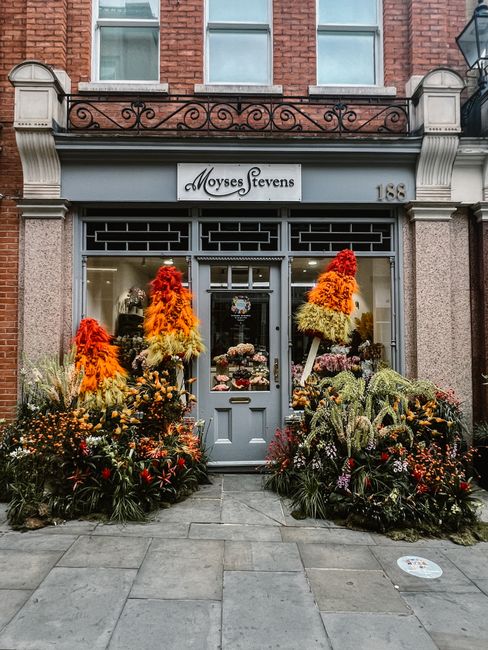
A floral display in a shop window can do a lot of heavy lifting. It softens a frontage, catches attention from passers-by, and makes a business feel cared for before anyone steps inside. In Bankside, where footfall can vary from local workers to visitors, that visual first impression really counts. But if the display extends beyond the window into public space, or affects sightlines, access, or safety, you may need permission or at least a clear understanding of what is allowed.
That is the key point. Not every floral display needs a formal permit, but some do. The difference often comes down to whether the flowers are purely internal decoration, whether they are visible from the street only, or whether they physically occupy space near the entrance, pavement, or boundary of the shop. In practice, this is where a lot of confusion starts. A lovely arrangement in the window is one thing; a spill-out display with planters, stands, or hanging elements is another.
To be fair, the rules can feel a bit bureaucratic when all you want is a prettier shopfront. Yet councils have a genuine reason to care: pedestrians, accessibility, emergency access, visibility for road users, and the visual character of the street all matter. A display that looks charming at 9am can become a hazard by 5pm if it is blocking a narrow route or shedding petals across a wet entrance.
Practical takeaway: the more your floral display stays inside the shop envelope, the simpler things usually are. The more it interacts with public space, the more likely it is that permission, approval, or at least careful checking will be needed.
There is also a commercial angle. A properly planned display can support branding, seasonal campaigns, and even premium positioning. A florist-style arrangement in a window feels thoughtful, and people notice. But the best displays are not only beautiful; they are easy to maintain, safe, and aligned with local expectations. That is the sweet spot.
How Southwark Council permits for shop window floral displays Bankside Works
The permit question usually starts with one simple check: does the floral display stay entirely inside the shop, or does it extend beyond the window area into a place that could affect the public realm? If it is just a window arrangement behind glass, many businesses will not need a specific council permit for the flowers themselves. If the display includes items outside the window line, though, the picture changes quickly.
In broad terms, the process usually involves these steps:
- Identify exactly what you want to install.
- Check whether it touches pavement, frontage, shared access, or fixed shop fittings.
- Review lease, landlord, and building management requirements.
- Confirm whether Southwark Council approval or another form of consent is needed.
- Plan the layout so it does not create trip hazards or block sightlines.
- Keep evidence of any approvals or correspondence on file.
That sounds straightforward, but real-life setups are rarely neat. A window display can include shelving, hanging baskets, moving stands, decorative frames, lighting, or seasonal props. Each item may change the answer. For example, a neat vase arrangement on an interior ledge is different from a dense display that reaches toward the door, especially if customers brush past it on the way in. Bankside shops often deal with narrow frontages and irregular footfall patterns, so the safest route is to assess the display from the pavement as well as from inside the shop.
If your display is part of a wider retail presentation, it may help to think in terms of risk rather than decoration alone. Ask yourself: could someone bump into it, trip near it, or miss it while walking past? Could it obscure a doorway in an emergency? Could water leak onto the floor? Could it make the frontage harder to clean? These are the practical questions that matter most.
Sometimes businesses also pair their floral display with a broader seasonal retail plan. If that is your approach, a florist-style product range such as florist choice arrangements or a curated window feature from local flower shops in Bankside can make the installation feel coherent instead of improvised. A good display tends to look like it belongs there, not like it was dropped in at the last minute. Big difference, that.
Key Benefits and Practical Advantages
When the permit side is handled properly, the benefits are more than cosmetic. A well-managed floral display can lift the whole customer experience. People respond to signs of care. They notice freshness. They notice effort. And if your frontage feels calm and attractive, they are more likely to step inside or remember you later.
Here are the main advantages businesses usually look for:
- Stronger curb appeal: Flowers create colour, texture, and movement at eye level.
- Seasonal flexibility: Displays can be updated for spring, summer, autumn, or festive periods.
- Brand warmth: Florals soften hard retail lines and make a business feel approachable.
- Better photo potential: Customers are more likely to photograph or share a visually attractive frontage.
- Local distinctiveness: In a busy area like Bankside, a memorable display helps a business stand out.
There is also a less obvious benefit: the right compliance process can save time later. If you define what is allowed from the start, you avoid awkward conversations when a display is already installed and someone asks whether it should be there. Nobody enjoys that moment. Nobody.
For some businesses, the display is not about sales in a direct sense; it is about atmosphere. A gallery, cafe, salon, boutique, or small hospitality venue may use flowers to signal style and attention to detail. In those cases, the permit question should be treated as part of the overall design brief, not an afterthought.
Who This Is For and When It Makes Sense
This topic matters to more people than you might think. It is not only for florists. Any business with a visible shopfront in Bankside can run into the same question if it wants to use flowers as part of the window presentation.
You may need to think about Southwark Council permissions if you are:
- a florist creating a seasonal window feature
- a retailer using flowers as part of merchandising
- a cafe or restaurant adding decoration for ambience
- a salon or wellness business trying to create a soft, premium feel
- a pop-up trader using a temporary frontage
- a landlord or manager approving works on a tenanted unit
The topic also matters if your display changes often. A one-off arrangement in the window may be simple enough. But if you plan to rotate displays regularly, add structure, or build something that sits near the public edge of the unit, it makes sense to sort the permissions logic once and then keep to it. That is the cleaner way.
When does it make sense to check carefully? Usually when the display is visible from the pavement and includes physical elements beyond standard interior decoration. If it is small, temporary, and fully internal, you may only need to follow general safety and building rules. If it becomes part of the frontage itself, get everything checked before fitting it out. Saves hassle later.
Step-by-Step Guidance
If you want a sensible route through the process, start with the actual display rather than the paperwork. A photo, a sketch, or even a rough list of components is enough to begin. Then work from the practical questions outward. The idea is to avoid guessing.
- Define the display. Write down exactly what will be in the window: bouquets, vases, planters, stands, hanging pieces, lighting, signage, or decorative props.
- Measure the space. Know the width, depth, and clearance around doors, vents, and walkways. A display that looks elegant from the back wall can be awkward at the threshold.
- Check ownership and lease terms. If you rent, the landlord or managing agent may have separate requirements, even if the council is not concerned with the flowers themselves.
- Assess public impact. Ask whether anything touches pavement space, affects visibility, or creates a trip or obstruction issue.
- Confirm permission needs. If the display extends beyond normal internal decoration, check whether Southwark Council approval, building consent, or another permit is needed.
- Plan maintenance. Flowers change quickly. Build in watering, cleaning, replacement, and waste removal.
- Document everything. Keep notes, photos, and approvals together. A tidy file beats trying to remember what was agreed in a hurried conversation.
One small but important point: consider the display at different times of day. A front window in morning light may be fine, but by late afternoon it might cast glare, show condensation, or look cluttered once the street gets busier. The best shopfronts are often the ones that have been checked in daylight and again after dark. Slightly old-school, maybe, but effective.
If you need flowers delivered regularly for a changing display, using a reliable local supply route can help keep the look consistent. A regular arrangement from flower delivery in Bankside or even same-day flower delivery may be useful if you are refreshing stock quickly before a launch, promotion, or weekend rush.
Expert Tips for Better Results
There are a few habits that separate a decent display from one that looks intentional, tidy, and worth the effort. These are small things, but they add up quickly.
- Keep the palette disciplined. Two or three colours usually read better than too many competing tones.
- Use sturdy vessels. Lightweight arrangements can slip, tilt, or look messy after a day or two.
- Match scale to window size. A small window overloaded with flowers can feel cramped. A large frontage with too little material looks unfinished.
- Choose flowers that hold well. If the display needs to last, pick varieties that cope better with light and temperature changes.
- Leave visual breathing room. Negative space helps the flowers stand out. A window jammed full of stuff can look a bit desperate, truth be told.
A helpful rule: build the display from the customer's walking eye level. What do they see first? What do they notice after two seconds? What is visible through reflection? These are the real design questions. Not just "does it look pretty from five feet away?"
For bankside retail, timing can matter too. Early morning installs are often calmer, with less pedestrian pressure and fewer interruptions. If your street gets busy around lunch or after work, build in enough time to clean the glass, place the flowers, and step back for a final check. A rushed install shows. It always shows.
If your brand leans more premium, you can strengthen the look with a considered product style, such as luxury flowers or a seasonal range like summer flowers. That keeps the window theme connected to the rest of the customer experience.
Common Mistakes to Avoid
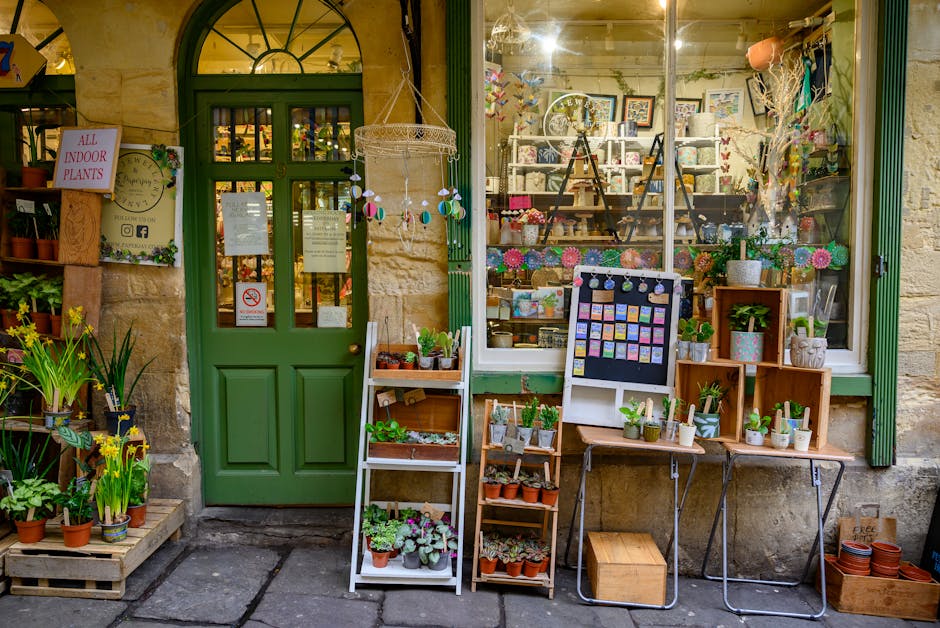
Most problems are avoidable. Honestly, that is the annoying part. They usually come from rushing or assuming that "it's just flowers" means no one will care. Councils, landlords, and building managers tend to care more about the effect than the label.
- Assuming all window displays are exempt: Internal decoration is different from fixtures that affect public space.
- Blocking visibility: Tall arrangements near entrances or sightlines can create issues for pedestrians and drivers.
- Ignoring fire or cleaning access: A beautiful display is not beautiful if staff cannot safely move around it.
- Using unstable stands: If it wobbles, it will eventually become a problem.
- Forgetting water management: Drips and leaks are a nuisance and can become a slip risk.
- Skipping landlord approval: Even where council permission is not needed, building consent may still be required.
- Overcrowding the window: Too much material hides the shop rather than showcasing it.
A very common mistake is treating a display as a one-day event when in reality it is a maintenance commitment. Flowers fade, containers move, leaves drop, glass fogs up, and the whole thing can go from crisp to tired surprisingly quickly. That is not a failure; it is just reality. Plan for it.
Another trap is using a display that looks brilliant indoors but turns strange from the street. Reflections, glare, and street lighting can completely change the effect. If possible, view it from across the road before you call it finished. You may notice a better balance, or spot something awkward you had missed.
Tools, Resources and Recommendations
You do not need an elaborate toolkit, but a few practical items make life easier and keep the display looking professional.
- Measuring tape: for checking clearance, width, and height.
- Phone camera: useful for recording the layout and spotting issues from a distance.
- Plant or vessel stabilisers: especially useful if the frontage has foot traffic vibration.
- Waterproof liners: reduce mess and protect surfaces.
- Cleaning cloths and glass spray: because a display looks better beside clean glass, obviously.
- Simple maintenance log: helpful if multiple staff handle watering or replacement.
For ongoing care, it also helps to think beyond the display itself. A dependable floristry supply, a clear care routine, and a fallback plan for replacements all make the installation more stable. If you are choosing arrangements for regular turnover, something like a local florist in Bankside can be more practical than a one-off generic supplier, especially when timing matters.
For businesses that operate across multiple sites or need regular ordering, a platform that supports repeat purchases can be useful. In that case, pages such as corporate accounts and delivery guarantees can help set expectations internally, even before any flowers go in the window.
And if you care about the wider context - which many Bankside businesses do - it is worth reviewing practical business policies too. Things like about us, delivery, terms and conditions, and sustainability may seem peripheral, but they often support better decision-making behind the scenes.
Law, Compliance, Standards, or Best Practice
For shop window floral displays, the compliance question is usually less about one single law and more about a bundle of overlapping duties and local requirements. That is normal in the UK retail world. A display may need to fit with tenant agreements, building safety practices, accessibility expectations, and council controls over the public realm.
In plain English, the main things to watch are:
- Public safety: no trip hazards, sharp edges, unstable fixtures, or blocked walkways.
- Accessibility: people should still be able to pass, enter, and leave comfortably.
- Fire awareness: do not obstruct exits or place combustible materials where they create avoidable risk.
- Lease and landlord terms: internal fittings, frontage changes, and signs may need separate approval.
- Local authority permissions: if your display affects external space or frontage use, check the relevant Southwark process before installation.
Best practice is to treat the display as a small retail fit-out, not just decoration. That means thinking about fixings, maintenance, removal, cleaning, and what happens if a stem breaks or a vase falls. It sounds cautious. It is cautious. But that caution is what keeps a pretty idea from becoming a headache.
If your shop is in a busy Bankside location, it is especially wise to make sure the display does not spill into the public route or create confusion for passers-by. A visitor with a coffee in one hand and a phone in the other will not appreciate a surprise corner of foliage jutting into their path. Nobody does.
Options, Methods, or Comparison Table
Different display methods suit different businesses. The right choice depends on space, budget, maintenance capacity, and how visible the frontage is from the street. Here is a simple comparison to help you think it through.
| Display method | Best for | Pros | Watch-outs |
|---|---|---|---|
| Internal window arrangement | Most retailers and cafes | Usually simpler to manage; lower risk of affecting public space | Still needs safe placement and regular maintenance |
| Freestanding interior feature near window | Medium-sized frontages | More visual impact; easy to refresh seasonally | May need extra checks for stability and access |
| Frontage-adjacent display near entrance | Businesses aiming for a strong street presence | Very eye-catching; good for brand positioning | Higher likelihood of permit, landlord, or safety issues |
| Temporary promotional floral display | Launches, events, seasonal campaigns | Flexible and high-impact | Needs careful installation and a clear removal plan |
If you are unsure which option is right, the safest route is usually to start with an interior-only display, then build up only if the approvals and practical checks make sense. A lot of businesses try to go straight to the most elaborate version. That is sometimes fine. Often it is not.
Case Study or Real-World Example
Here is a realistic example from a typical Bankside-style shopfront. A small lifestyle retailer wanted to create a spring window using mixed blooms, a low decorative stand, and a row of glass vessels. The design looked elegant on paper, but once placed near the entrance it started to narrow the walking path and made the doorway feel a bit tight.
The team stepped back, took photos from the pavement, and noticed the issue immediately. From inside the shop, it looked balanced. From outside, it felt crowded. They reduced the number of vessels, moved the stand further in, and used a taller backdrop inside the window rather than at the threshold. The result was better visually and much easier to manage.
Nothing dramatic happened. No big compliance problem, no crisis, just a sensible adjustment. That is often how these things go. The best outcome is usually not the flashiest one, but the one that works every day without fuss. A quiet win, really.
The shop also set up a recurring floral refresh plan using seasonal arrangements, including a gentle palette that worked well with the window light. If you need inspiration for similar regular updates, browsing products like best sellers, florist choice at entry-level price points, or more statement-focused options such as royalty flowers can be useful when planning rotation patterns.
Practical Checklist
Use this checklist before you install a floral display in a Bankside shop window.
- Have I defined exactly what the display includes?
- Does anything extend beyond internal decoration into shared or public space?
- Have I checked landlord or lease requirements?
- Have I confirmed whether Southwark Council permission is needed?
- Is the display stable, safe, and easy to maintain?
- Will it block sightlines, exits, or entry routes?
- Have I planned for watering, cleaning, and flower replacement?
- Have I viewed the display from the pavement and across the street?
- Do I have photos and notes of any approvals or decisions?
- Can I remove or adjust the display quickly if needed?
If you can tick those boxes, you are usually in a much stronger position. Not perfect, maybe, but solid. And solid is what you want when the frontage is part of your brand.
Get a free quote today and see how much you can save.
Conclusion
Southwark Council permits for shop window floral displays Bankside is really about making sure a good-looking idea fits the real-world rules of the street. If the flowers stay inside the window and do not affect public space, the process may be straightforward. If the display moves closer to the frontage, the pavement, or shared access, you need to slow down and check the permission side properly.
That does not mean you should avoid floral displays. Far from it. A thoughtful arrangement can change how people feel about your shop the moment they pass by. It can make a frontage warmer, more memorable, and more human. Just keep the practical side in step with the creative side, and you will avoid most of the usual headaches.
Start small if you need to. Measure carefully. Ask the right questions. Then build the display with confidence. A well-planned window can say a lot, even before anyone opens the door.
And when it all comes together, it really does give the street a lift.
Frequently Asked Questions
Do I need permission for flowers in a shop window in Bankside?
Not always. If the flowers are entirely inside the shop and do not affect the pavement, doorway, or public space, you may not need a specific council permit. If the display extends beyond the internal window area, you should check carefully.
What counts as a floral display rather than simple decoration?
A few flowers in a vase may be treated as ordinary interior decor. A larger arrangement with stands, planters, hanging elements, or structures near the entrance is more likely to raise permission or safety questions.
How do I know if Southwark Council approval is needed?
The easiest approach is to look at where the display sits and whether it affects access, visibility, or shared space. If it touches the boundary of the shopfront or could impact pedestrians, check before installation.
Can my landlord still require approval even if the council does not?
Yes. Lease terms and landlord consent can apply even when the council has no issue with the flowers themselves. In many cases, landlord approval is the first thing to confirm.
Are temporary seasonal displays treated differently?
Sometimes. A short-term display may be easier to approve, but temporary does not automatically mean exempt. If it affects public space or safety, it may still need review.
What are the biggest risks with shop window floral displays?
The main risks are obstruction, trip hazards, unstable fixtures, water leakage, and a display that blocks sightlines or access. These are usually manageable with good planning.
How often should a floral display be refreshed?
That depends on the flowers, the temperature, and how visible the window is. Some displays need attention every few days; others can last longer. The point is to plan maintenance from the start, not after things fade.
Can flowers outside the shop be treated as street furniture?
Potentially, yes, if they sit in or interact with the public realm. That is exactly the sort of situation where a council check becomes important.
What is the safest first step if I am unsure?
Measure the display, photograph the proposed layout, and check the lease or landlord terms. Once you know the footprint and location, it is much easier to decide whether extra permission is needed.
Do floral displays need to meet accessibility expectations?
They should. Even if there is no formal permit issue, the display should not make it harder for people to pass, enter, or use the shop comfortably. Good accessibility is part of good retail practice.
What if I want a more elaborate Bankside frontage for events or promotions?
Then it is worth reviewing the idea as a temporary fit-out rather than simple decoration. The more the display changes the appearance or use of the frontage, the more carefully you should plan permissions and safety.
Where can I get ongoing flower support for a window display?
Look for a supplier that can provide consistent style, reliable refreshes, and practical delivery options. For local needs, pages such as next-day flower delivery in Bankside or send flowers in Bankside can be useful if your display changes regularly or you need fast replacements.


